What 100 global interviews reveal about the shift from tracking sleep to actively improving it—and where Chinese hardware brands can win.
July 28, Washington National Cathedral. America's political establishment gathered to bid farewell to Republican Senator Lindsey Graham. As the live camera swept across the front row, there sat Trump, alongside Vice President Vance and Treasury Secretary Bessent.
The 80-year-old president leaned his head back. For a moment, his eyes closed and his body remained perfectly still. One second. Two. Meanwhile, a political ally was delivering a eulogy onstage. In front of the cameras, at the funeral of one of his staunchest allies, he fell asleep.
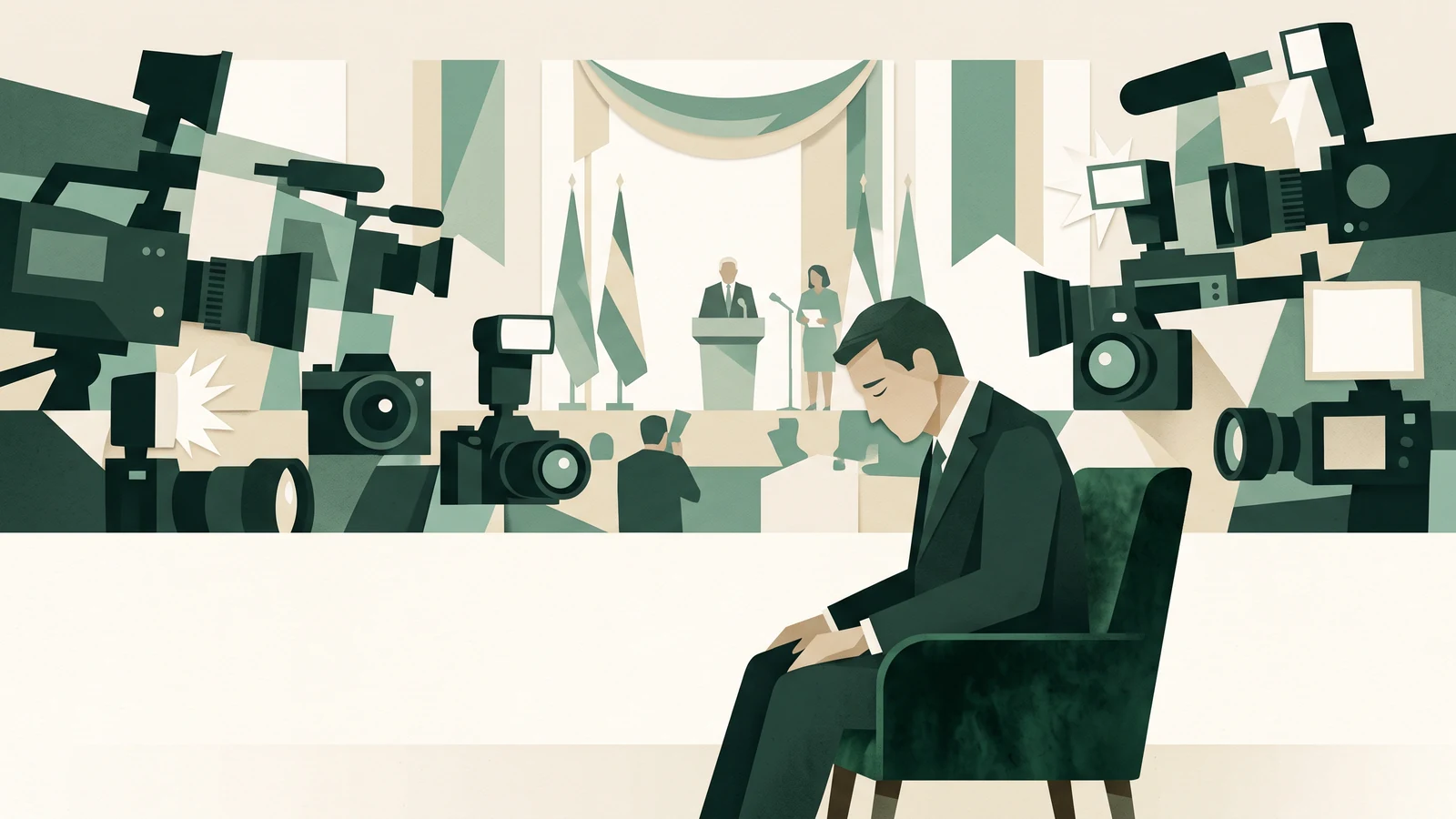
Social media erupted, and “Trump falls asleep at Graham's funeral” became the day's hottest topic. Critics dredged up the past: at campaign rallies, he had mocked Biden countless times as “Sleepy Joe,” mimicking him dozing off to roars of laughter from the crowd. Now, with the whole world watching, Trump himself was the one with his eyes closed.
Fate can be more ironic than stand-up comedy. But this is not just Trump's problem. The global sleep economy was already worth $512.8 billion in 2022 and is projected to continue expanding at a compound annual growth rate of 6.3% through 2030. Behind the global trending story of a “sleeping president” lies a bigger truth: the entire world is sleep-deprived. Sleep is no longer a minor problem you can simply power through. It is a hundred-billion-dollar category on the verge of explosive growth.
As too little sleep becomes the norm, people are looking for solutions. What are those who genuinely struggle to sleep actually going through? Trooly did something different: we interviewed 100 people around the world who currently use or have tried AI-powered sleep hardware, asking them about the nights they had truly experienced.
Sleep earbuds: “When my earbuds broke, my sleep broke too.”
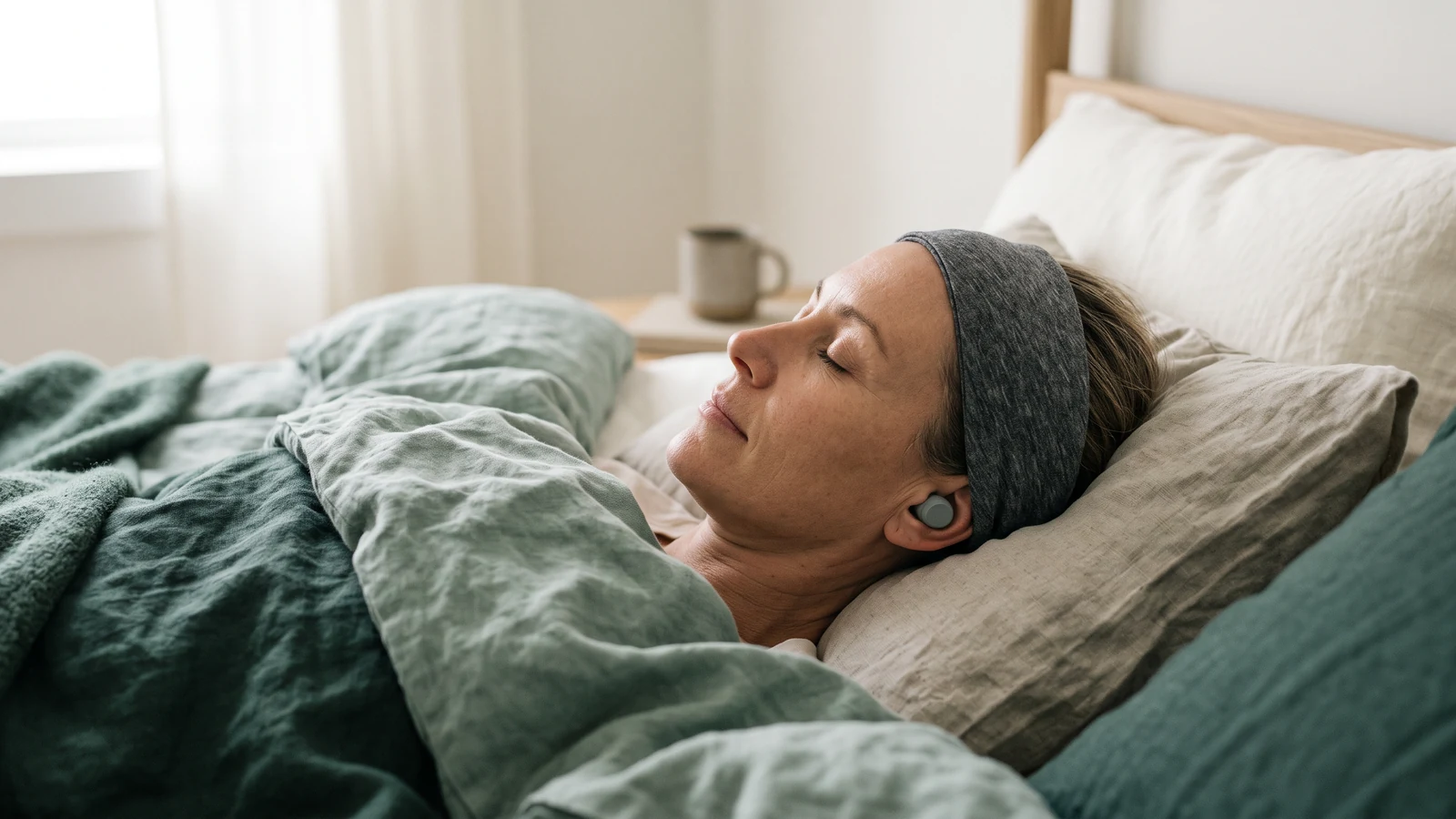
Bhangya, a 28-year-old respondent from the UK, had just completed a master's degree in human resource management. When Trooly interviewed her, she had just endured a night “without her earbuds”: her sleep earbuds had broken the previous week, and her sleep quality had deteriorated sharply. She was anxious. “They really did help me get enough sleep and fall asleep easily. Now I need to buy a new pair quickly, or get these repaired as soon as possible.”
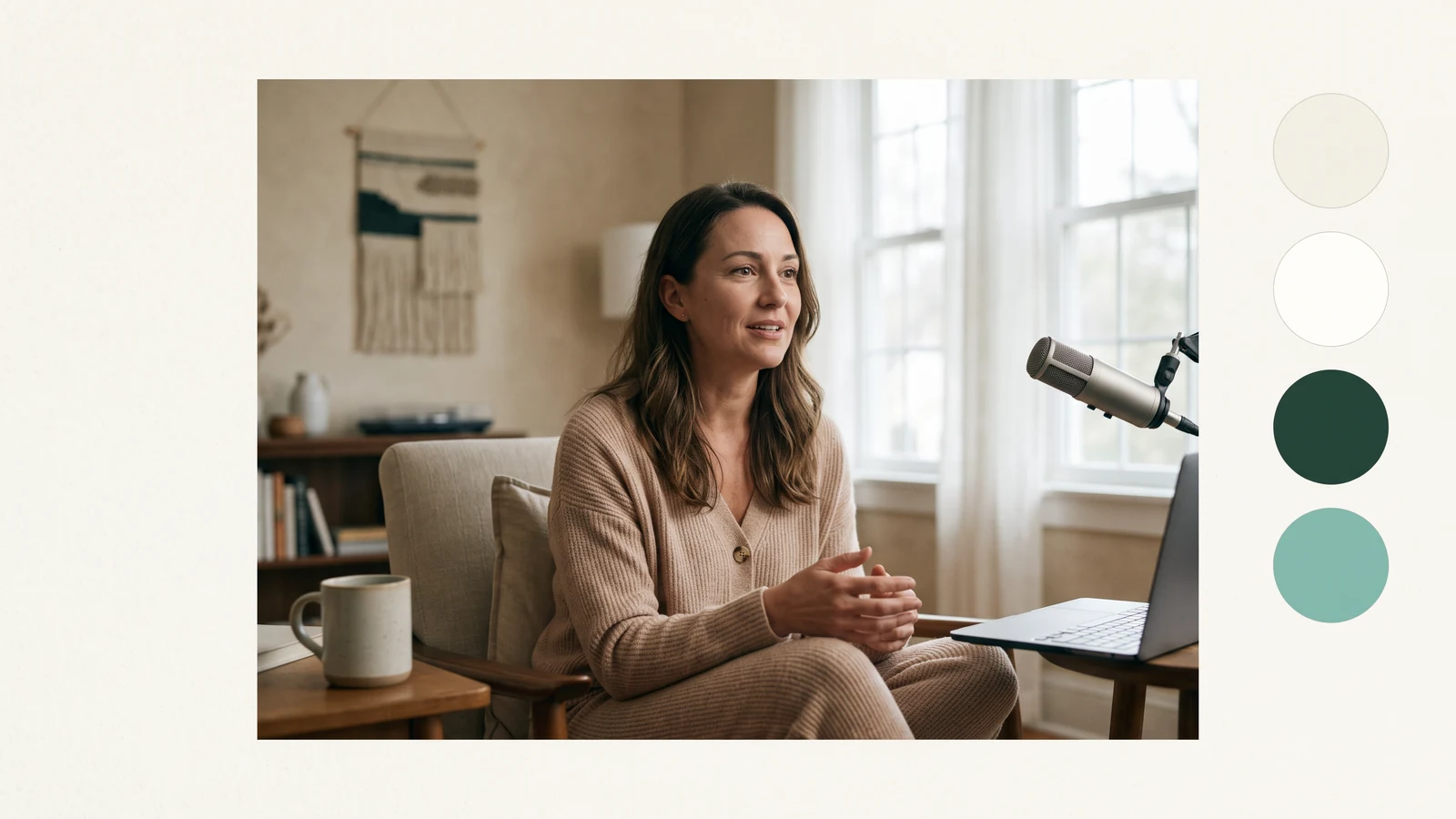
Bhangya has used the earbuds for more than a year. Her husband uses the same model and wears them to sleep every night. By analyzing her sleep patterns, the earbuds repeatedly gave her two pieces of advice: stop scrolling on her phone at least one to two hours before bed, and wake up at the same time every day. She followed both recommendations diligently. “I think it really helps,” she said.
But the earbuds have two major drawbacks. The first is comfort: “For the first few nights, I was constantly aware that I was wearing something. It was really annoying. But I gradually got used to it.” The second is battery life: “Two or three nights a week, I have to get up halfway through the night to charge them. It's so annoying.” When Trooly asked her for the three qualities of her ideal product, her answer was simple: “It should look like a regular pair of earbuds, be lightweight, and offer noise cancellation. Lightweight is the most important.”
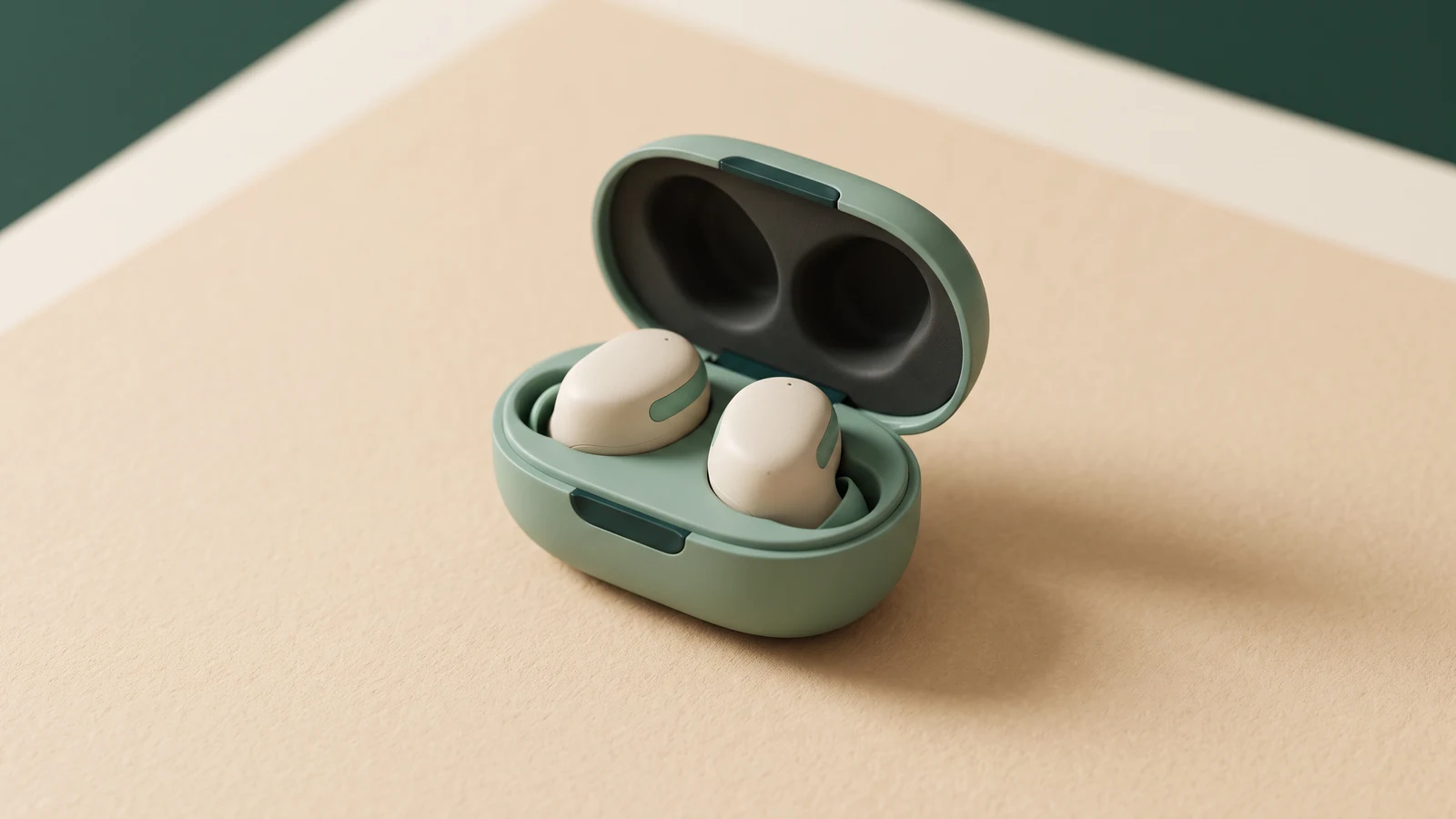
This is precisely the central challenge for sleep earbuds. Boston-based SOND's in-ear Dreambuds collect 12 channels of physiological signals in real time, including EEG, heart rate, and respiration; AI then uses that data to generate personalized sleep audio. Chinese brands are entering the category too. Soundcore, an Anker Innovations brand, launched the Sleep A10 earbuds in 2022, emphasizing passive noise reduction and sleep monitoring, and has already built a user base in overseas markets.
For the first time, AI has taught earbuds how to “soothe you to sleep.” This is more than a feature. It is a new category.
Smart rings: “The first thing I do when I wake up is check my score.”
Justin, a 32-year-old respondent from Silicon Valley, is a software engineer. By the time Trooly interviewed him, he had been wearing an Oura Ring for more than six months. Since receiving it as a Christmas gift last year, the first thing he does every morning is open the app and check his sleep score. “I don't have to turn on sleep mode or wear a bulky watch with a screen. It's just a ring. That's it.” He enjoys tracking his resting heart rate and REM sleep, and seeing how his diet and alcohol consumption affect his sleep.

But he has a love-hate relationship with that score. “Sometimes a low score makes sleep feel like an exam,” Justin said in the interview. “It puts ideas in my head that weren't there before.” The ring costs nearly $300 and also requires a monthly subscription. He understands the cloud storage and AI costs behind it, “but anything over $10 a month is too expensive. I don't want to spend that much for the rest of my life on something I wear on my finger.”
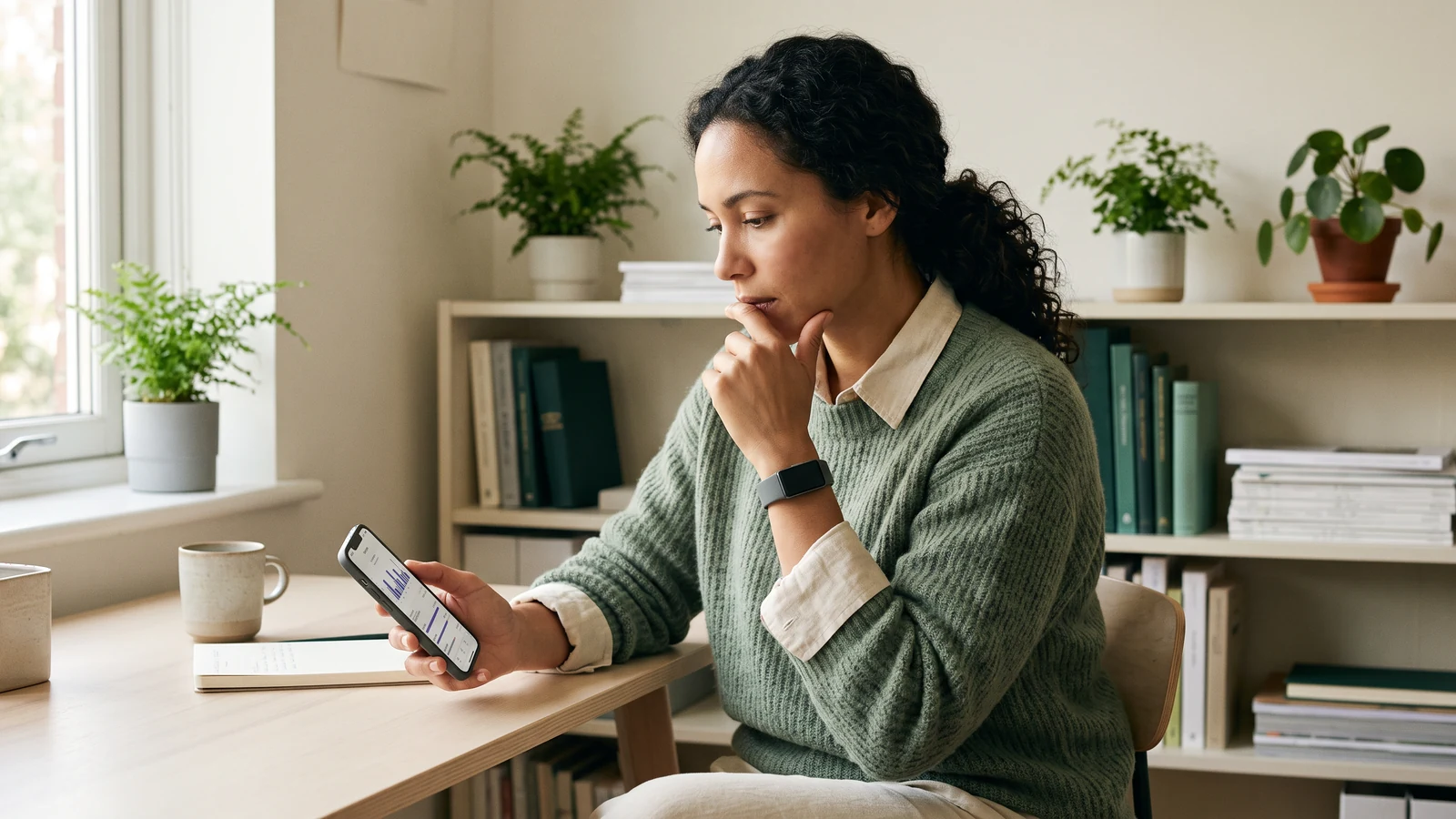
With precise sleep tracking and a barely-there wearing experience, Oura Ring has surpassed 4.4 million users worldwide. Chinese brands are catching up as well. Shenzhen-based RingConn focuses on sleep apnea monitoring, using AI algorithms to analyze overnight blood oxygen, heart-rate variability, and other data to help users identify potential sleep-related breathing issues. Dreame Technology's Glow smart ring, meanwhile, was named one of the best smart wearables at CES 2026 for its high-precision sensors and AI health analysis.
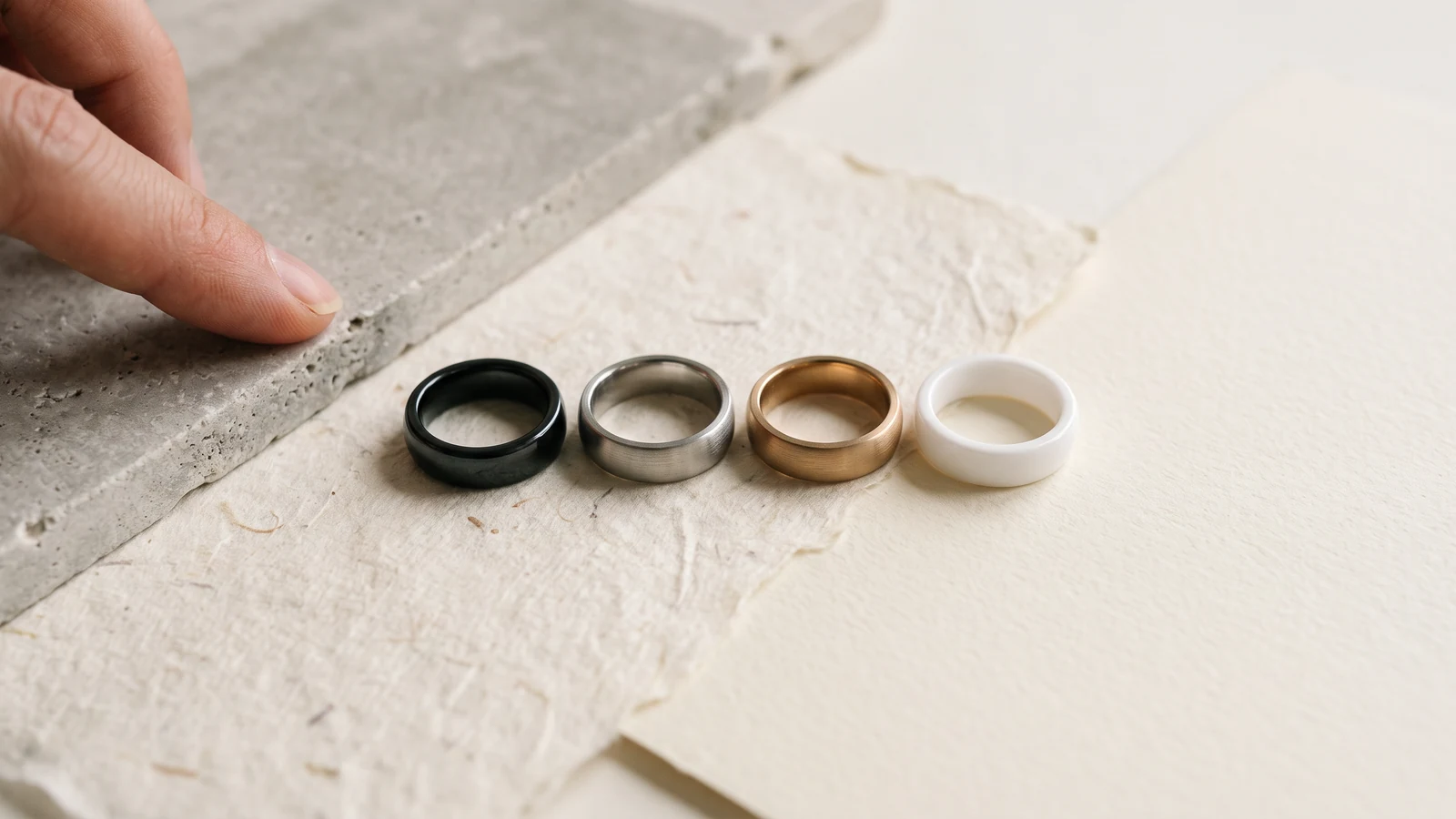
A tiny ring is becoming the bedroom's first AI sleep assistant.
Smart mattresses: “If it were within my budget, I would definitely buy one.”
In her Trooly interview, Shannon, a respondent from London, admitted that she was having a “bad-sleep” summer. The UK had been experiencing sustained high temperatures since early June, making her bedroom too hot to sleep. She had changed her bedding, added a fan, ventilated the room at night, and closed the windows during the day. She had tried everything. “It's fine when the temperature drops, but as soon as it rises again, it's still too hot.”
She also uses an Oura Ring, which told her that her body temperature kept rising overnight and that she was experiencing frequent stress spikes. She adjusted her diet accordingly, eating lighter dinners and cutting out caffeine and cheese. “It really has made it easier to fall asleep.” But a ring cannot solve the temperature problem.
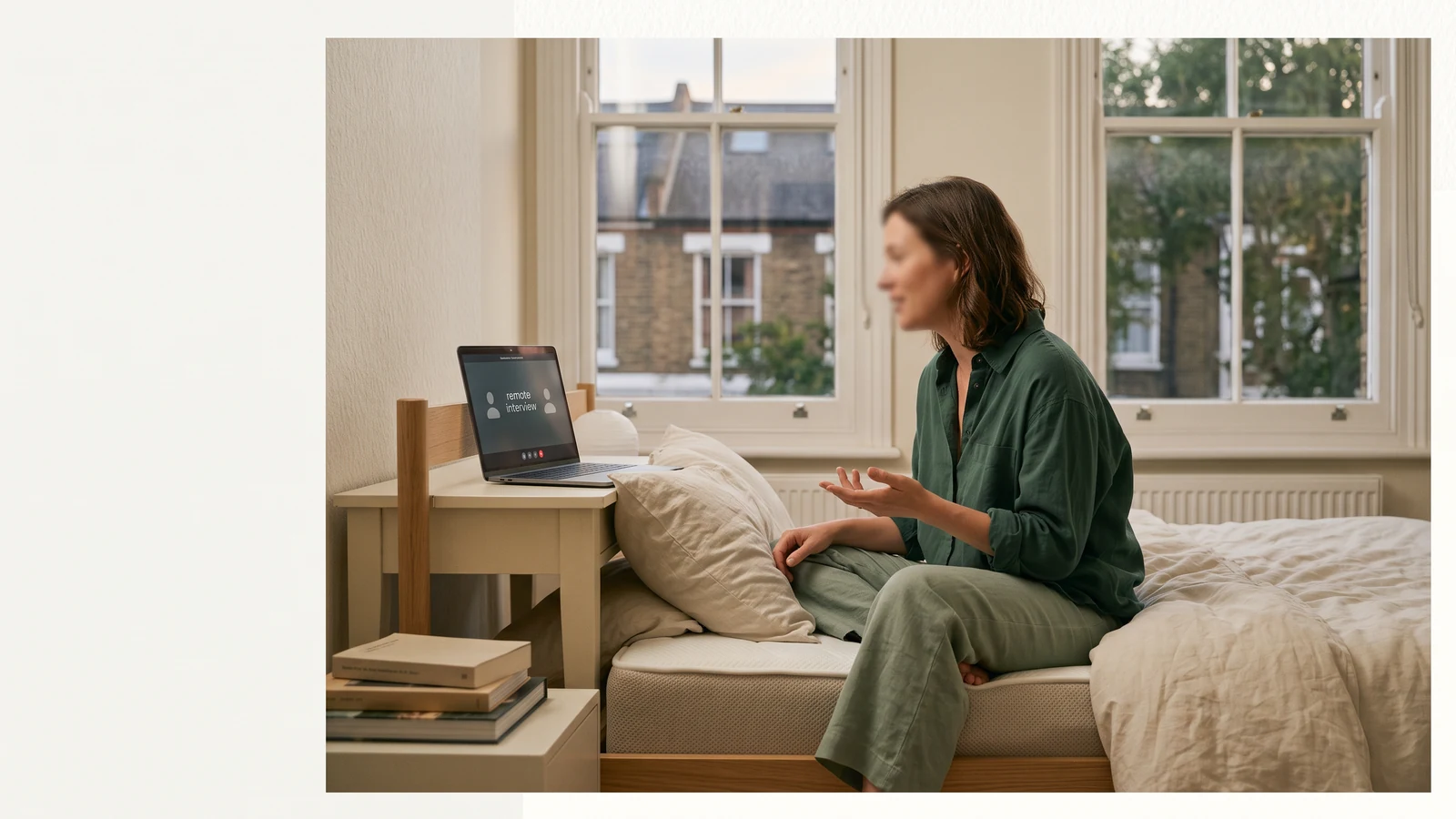
When Trooly asked whether she had heard of smart temperature-controlled mattresses, Shannon's response was direct: “No, but they have definitely caught my attention. I honestly didn't know they existed.” Her price expectations were clear: £600–£650 for a mattress, or £150–£200 for a mattress pad. “If it were within my budget, I would definitely buy one.”
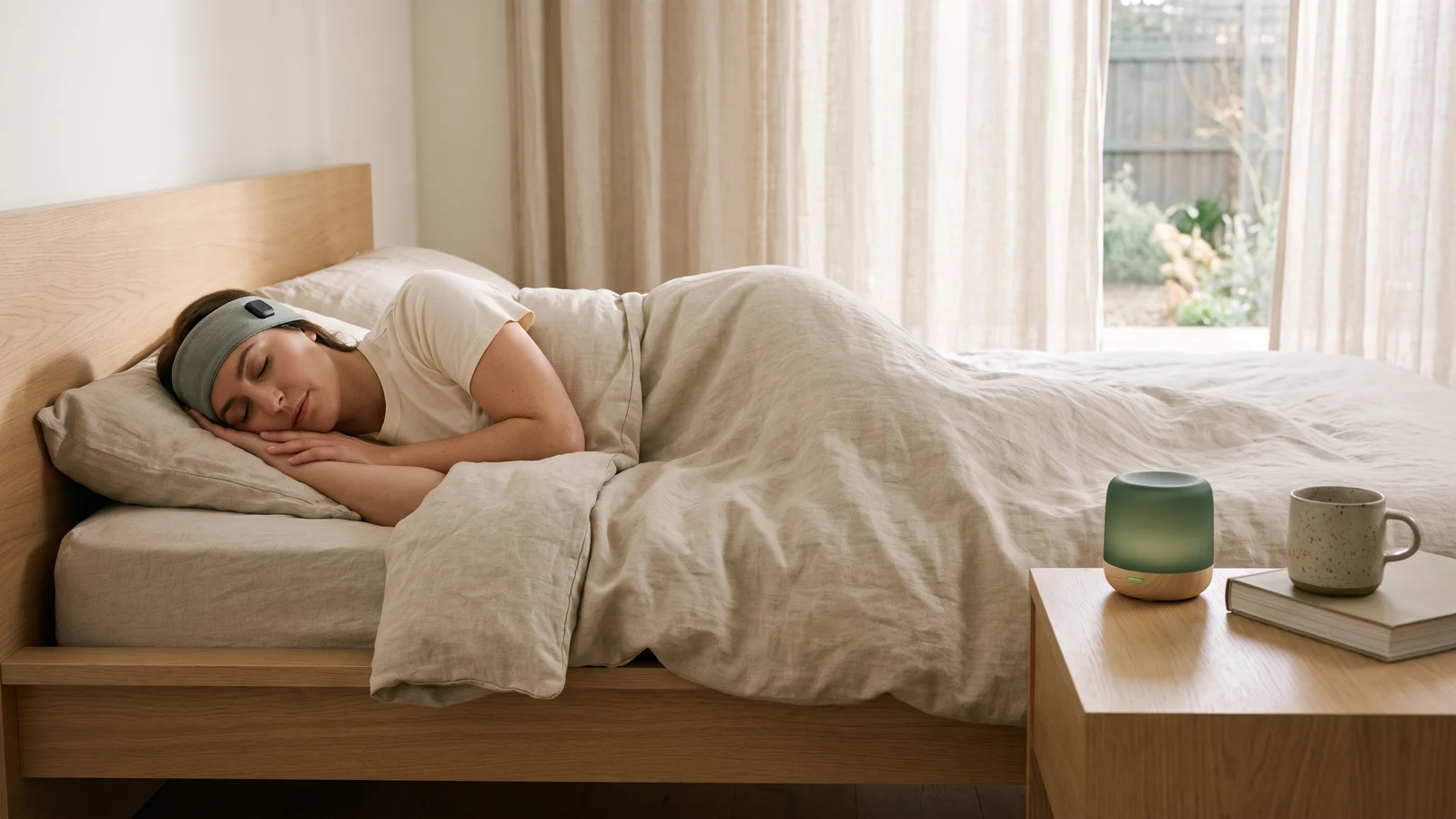
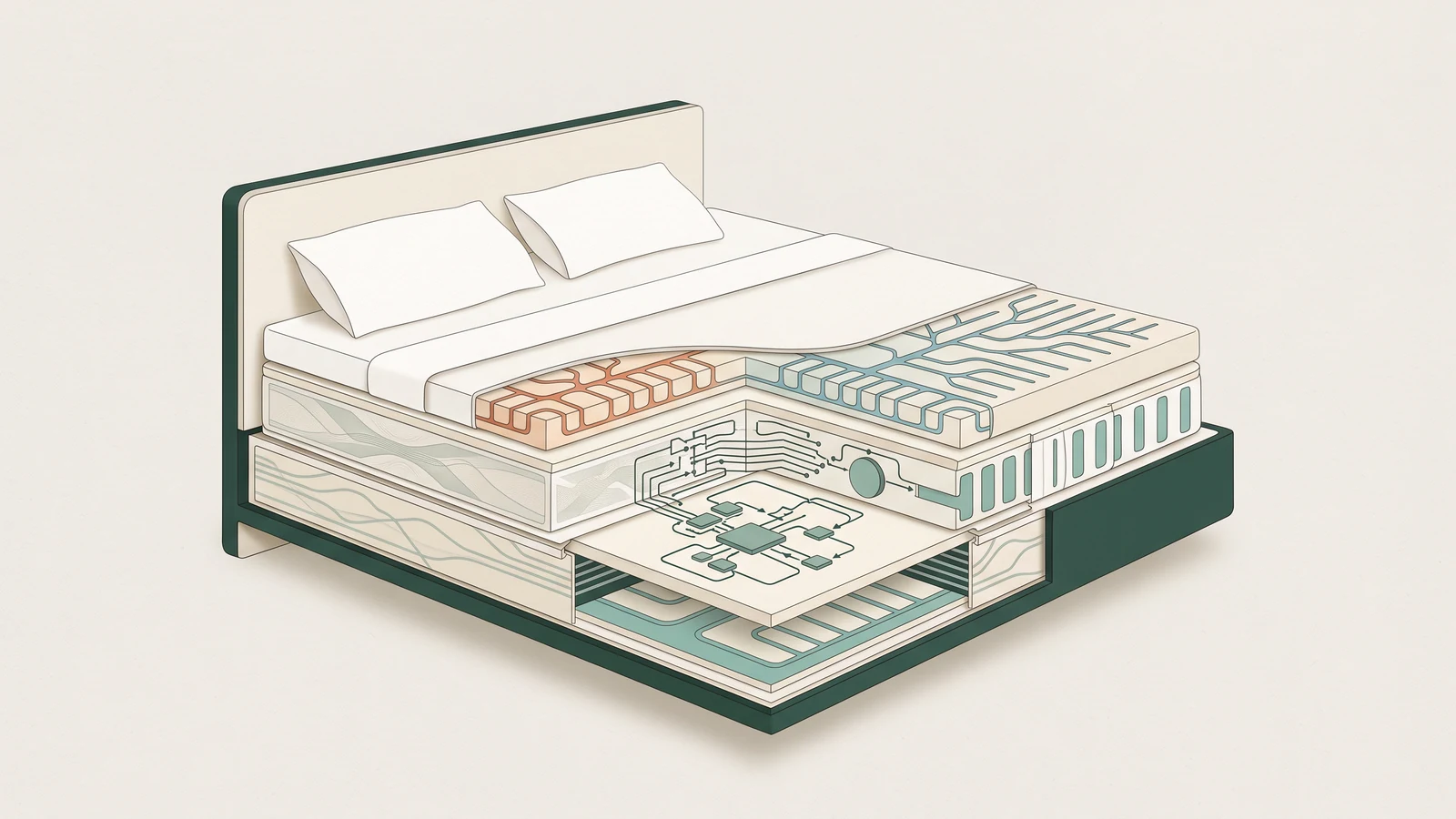
Temperature-controlled mattresses were created precisely to solve “the Shannon dilemma.” Silicon Valley company Eight Sleep's Pod 5 is an intelligent temperature-controlled cover that fits over an existing mattress. Non-wearable sensors capture physiological signals such as heart rate and respiratory rate in real time, while a water-circulation system precisely adjusts the bed's surface temperature and supports independent temperature zones for two sleepers. Another respondent said, “I used to wake up three or four times every night in summer. Now the Pod automatically cools down in the middle of the night, and I sleep straight through until morning.”
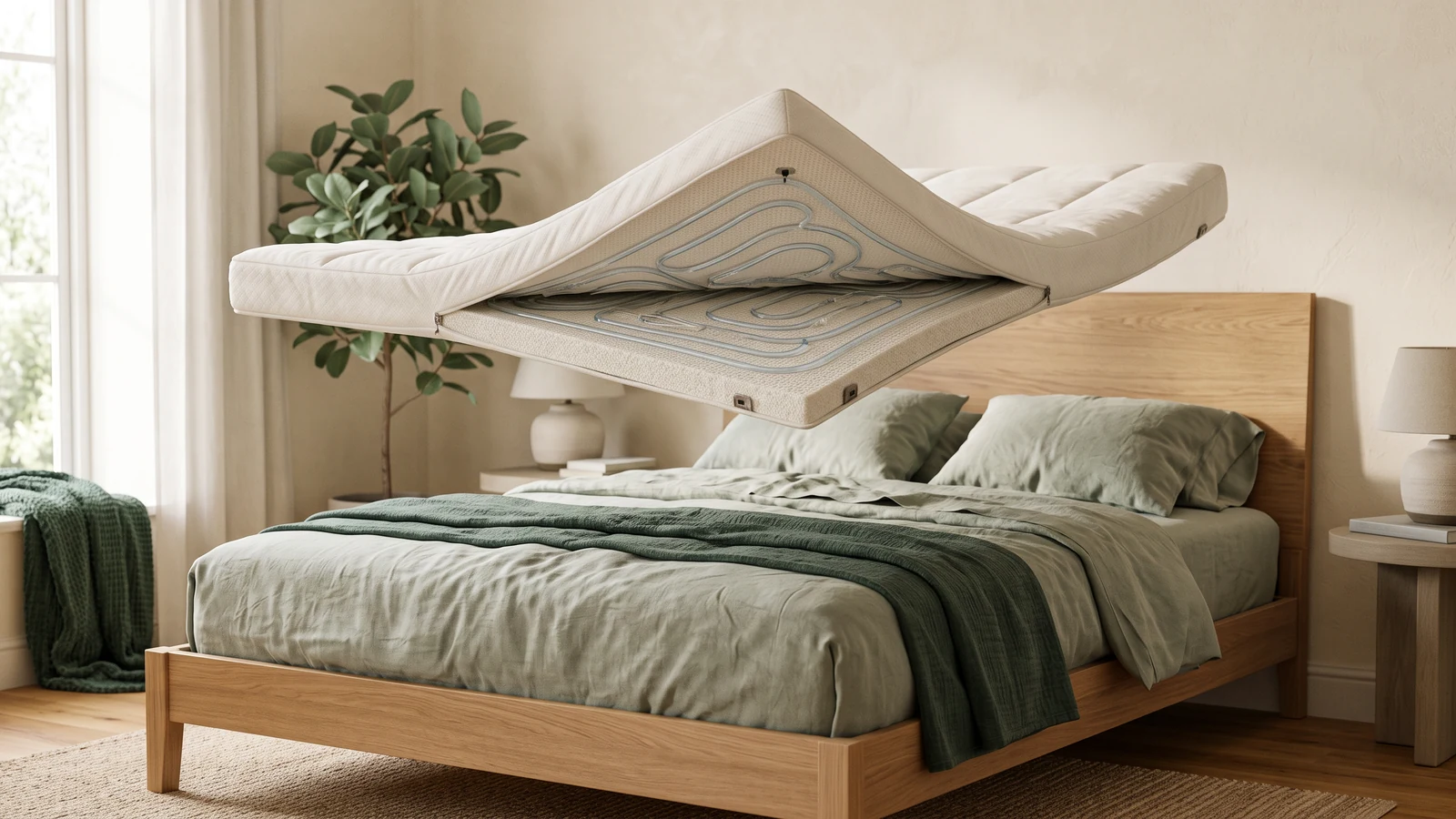
Chinese brands are accelerating too. ShuFuDe's smart bed monitors movement in the chest and abdomen through sensors, helping screen for sleep apnea and arrhythmia risks; it supports a one-touch sleep mode and increases deep-sleep duration. The brand has sold more than 11.6 million beds across 59 countries. DreamOK AI, meanwhile, has transferred the closed-loop capabilities of autonomous driving into the sleep environment, using water-circulation temperature control to let each side of the bed maintain a different temperature.
In Shannon's world, a ring tells her, “You aren't sleeping well,” while a mattress actually helps her sleep well. AI sleep hardware is making the critical leap from “measurement” to “intervention.”
Brainwave products: “I want to know what happens in my brain before I fall asleep.”
A respondent from Boston voiced this question during a Trooly interview. As a person moves from wakefulness into sleep, their brainwaves undergo observable changes. Traditional products cannot see this process; they can only “guess” through peripheral signals such as heart rate and body movement. Brainwave devices, by contrast, collect EEG signals in real time and give the brain a timely “nudge” when it needs help.
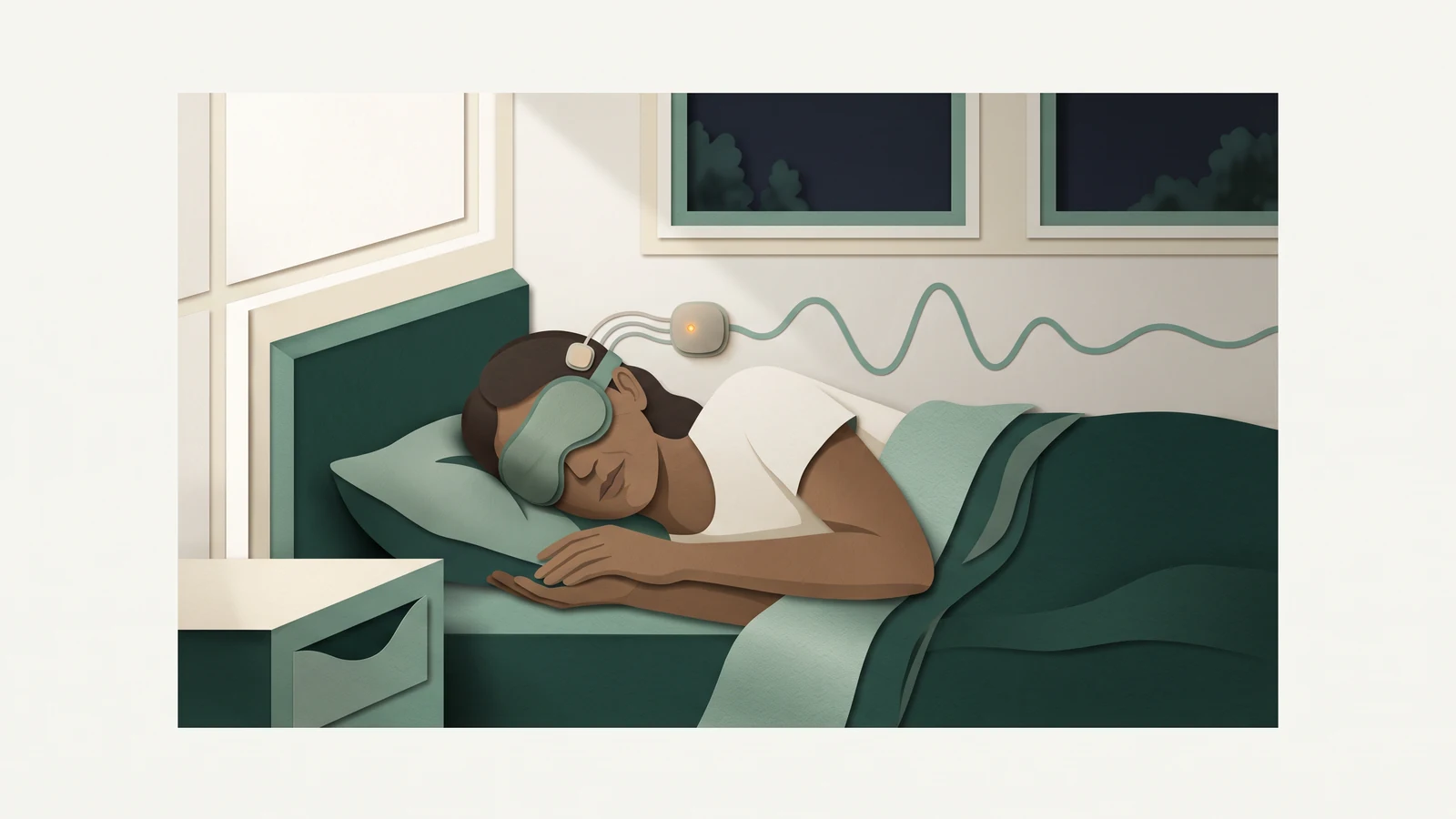
A co-founder of Rouling Technology explained the logic with an analogy: “Brainwaves are like ocean waves. When the device detects slow waves rising, it means there is a tendency to enter deep sleep. We apply acoustic stimulation as the ‘bull's-eye’ approaches, pushing those slow waves higher.” This is the essence of “closed-loop intervention”: instead of playing a fixed white-noise track, the device continuously senses your brainwave state, delivering precise stimulation during the “window” when slow waves begin to rise.
Chinese brand LumiMind launched the LumiSleep D1 in 2026, using non-invasive dry electrodes to collect EEG signals and following a closed-loop process of “EEG monitoring—state recognition—acoustic generation—dynamic adjustment” to produce personalized acoustic guidance from the user's real-time brainwave state. The product won a CES 2026 Innovation Award, and more than 5,000 users worldwide have already reserved one.
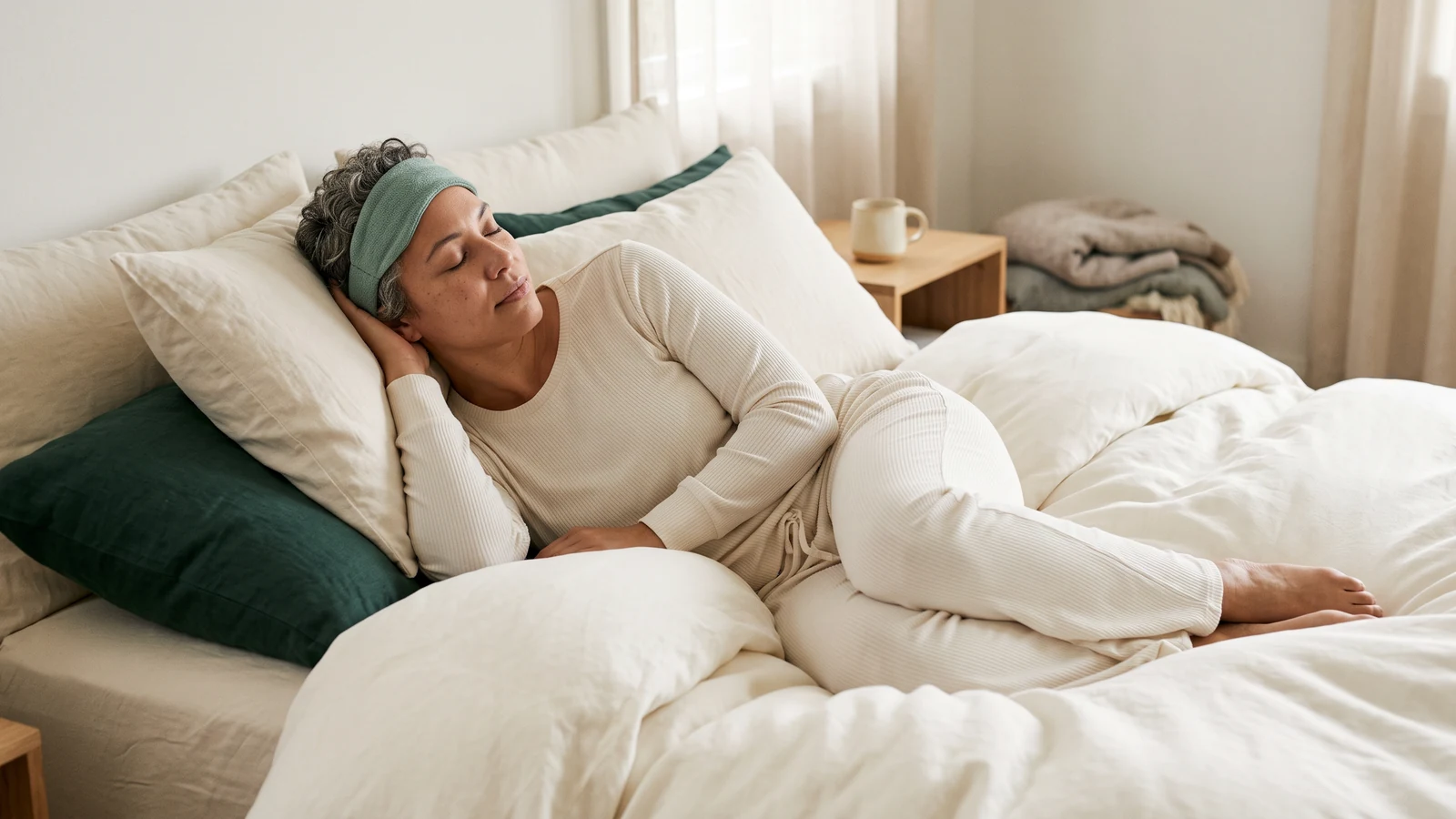
From “recording sleep outcomes” to “intervening in the process of falling asleep”: a ring tells you “how badly you slept,” but a brainwave product may be the first device that truly helps you “switch off your brain.”
For the past decade, sleep products have essentially played the same role: recorder. Smart bands record deep and light sleep. Smart rings record heart rate and body temperature. Smart mattresses record movement frequency. They faithfully document when you turn over and how your heart rate fluctuates—then stop at “telling you.”
Trooly heard the same message repeatedly in its interviews: “Don't tell me how bad things are now. Help me get better.”
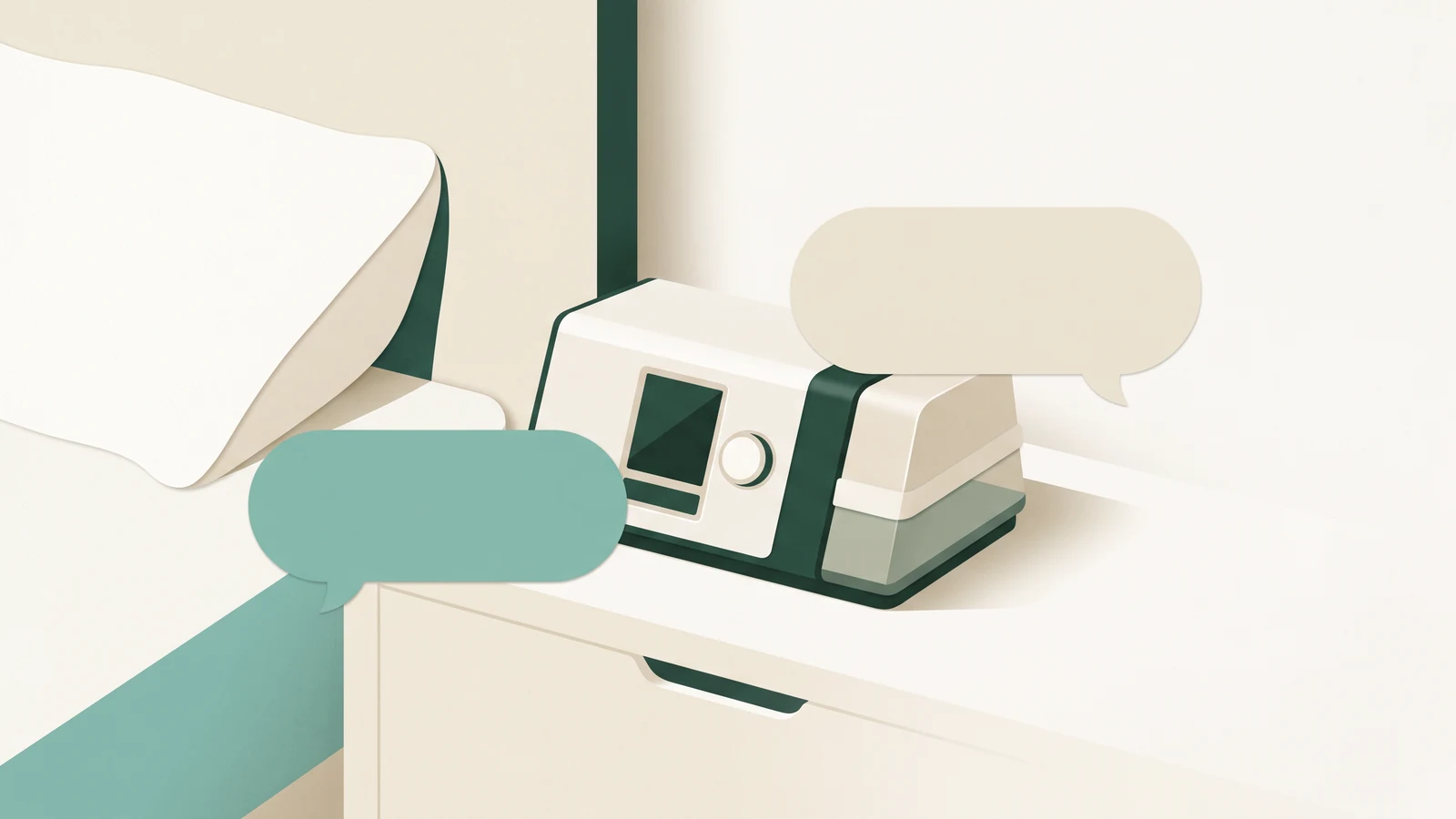
One of the two respondents is asking, “Show me the way,” while the other is asking, “Do it for me.” Their requests differ, but they point in the same direction: users are no longer satisfied with being recorded; they want to be cared for. This expectation is multidimensional: a product should take action proactively, provide a personalized plan, and fit naturally into everyday life.
Market data points in the same direction. The global market for AI-powered sleep solutions was worth approximately $13.1 billion in 2025 and is expected to reach $31.4 billion by 2032, representing a compound annual growth rate of 13.2%. The fastest-growing products are precisely those that can “actively do something.” Demand for personalized sleep recommendations and digital therapeutics is rising rapidly. Smart-home integration is likewise shifting from an “optional extra” to an “expectation”: users no longer want devices to remain isolated islands, but to become connected nodes within the networks of their lives.
These real user voices and market data point to three critical conclusions for Chinese brands going global:
Product definitions must shift from “tracking” to “intervention”
Trooly's interviews repeatedly confirm that users do not pay for data; they pay for “automatic action.” Sensors are only the ears and eyes. What users actually pay for is the “hand”—the hand that automatically adjusts the temperature, starts the audio, or wakes them at the right time. Eight Sleep's Pod 5 does not merely tell you that “your body temperature has risen”; it directly “lowers the bed's surface temperature by 2 degrees.” This kind of “automatic action” is what gives users a reason to keep paying. The essence of a subscription is paying for “the ability to continuously improve sleep,” not for “a continuous stream of sleep reports.”
This means the opportunity for Chinese brands lies not in “more accurate sensors,” but in “smarter actuators.” Temperature-control modules, miniature speakers, radar sensors—the supply chains for these actuation components are highly concentrated in China. Chinese teams are already transferring the closed loop of “perception—decision—execution” from autonomous driving into sleep scenarios, while other brands are integrating AI sleep agents directly into beds. This ability to integrate software and hardware is the true moat Chinese brands can bring to global competition.
Personalization is shifting from a “nice-to-have” to a “minimum requirement”
“Good-looking numbers don't mean I actually slept well,” a respondent from London said bluntly. Michael, an engineer from Sydney, was more cautious: “I take a measured view of how trustworthy device data really is.”
They are not questioning the technology itself. They are questioning the logic of a “universal score.” A 32-year-old British office worker and a 50-year-old Australian executive have entirely different sleep patterns. Why should the same algorithm score them both? Users do not need a generic verdict of “good” or “bad.” They need to know: “Based on my data, what can I do tonight to make tomorrow different?”

That is the essence of personalization in sleep: it is not about telling users “who they are”—they know that better than you do. It is about telling them “what to do tonight”—the thing they do not know, but want to. Competition at the app layer is shifting from “who can display more data” to “who can offer better guidance.” If all a user sees when opening an app is the same generic set of figures—“2 hours 15 minutes of deep sleep, 3 hours 40 minutes of light sleep”—sooner or later they will ask, “How is this app any different from the others?”
For Chinese brands going global, personalization is not an optional question. It is a required one. European and American brands have a first-mover advantage in algorithm iteration, but Chinese brands can compete through lower data-labeling costs, faster adaptation to specific scenarios, and rapid responsiveness to users in different regions. Some teams have already established differentiated strengths in niches such as sleep apnea monitoring and neuro-intervention through brain-computer interfaces. They are not targeting a “universal score,” but a “personalized solution.”
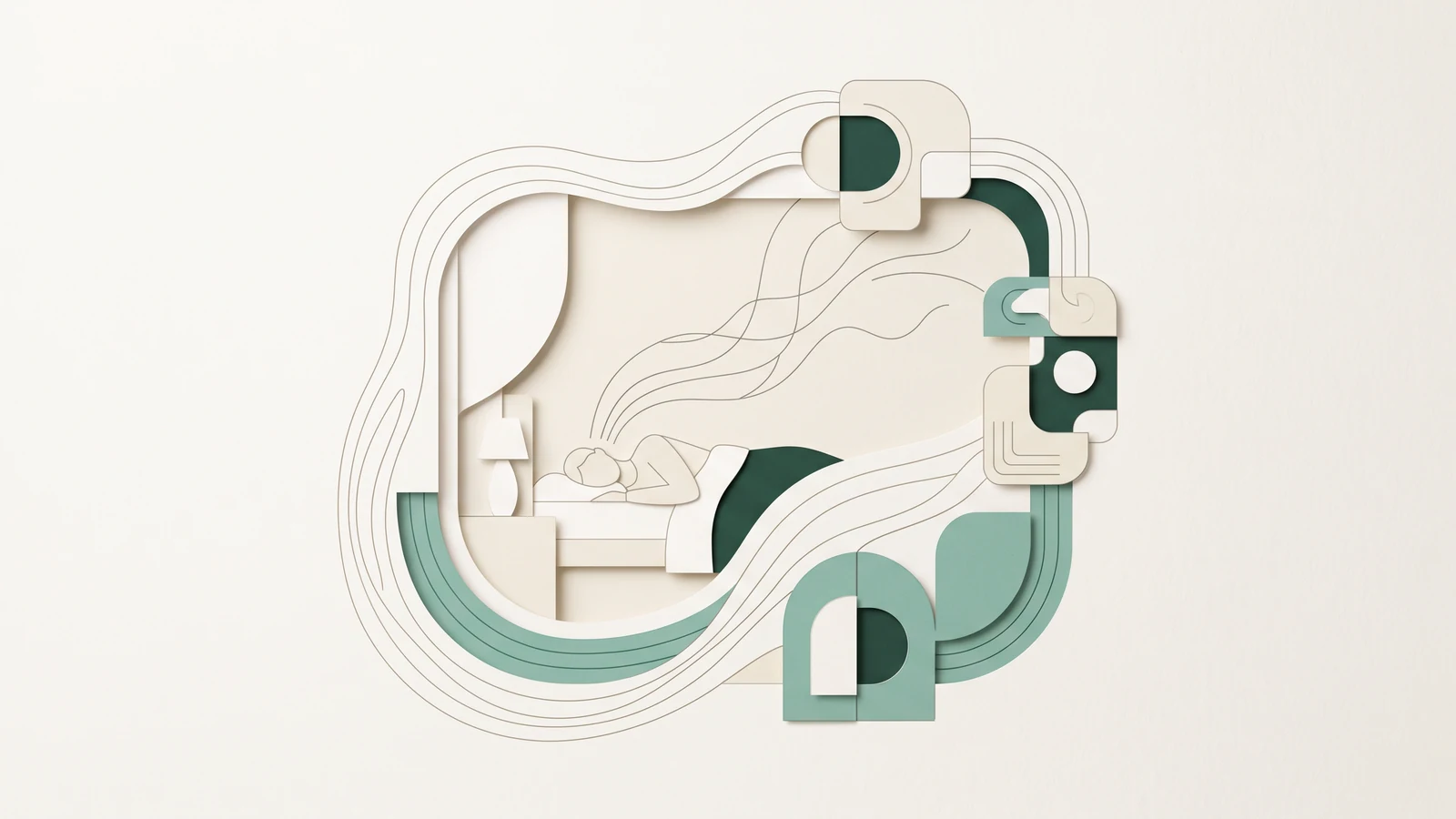
At a deeper level, personalization is more than a product capability. It is the point of entry for building trust in overseas markets. Trust begins at the moment a user feels, “You understand me.”
Ecosystem integration must give users a “sense of control”
A respondent from San Francisco said they “wanted the device to automatically change the room temperature,” while a user in Amsterdam emphasized, “I prefer a ‘monitoring + recommendations’ model, where I make the final decision myself.” One wants automation; the other wants control. But the underlying desire is the same: users do not reject connected experiences—they reject having those experiences imposed on them.
This sense of restraint has three layers: awareness—knowing the next day what the device did overnight; reversibility—being able to turn off a feature with one tap; and progressive authorization—asking before the first connected action and executing only after consent. Go beyond these three boundaries, and users no longer feel “cared for.” They feel “invaded.”
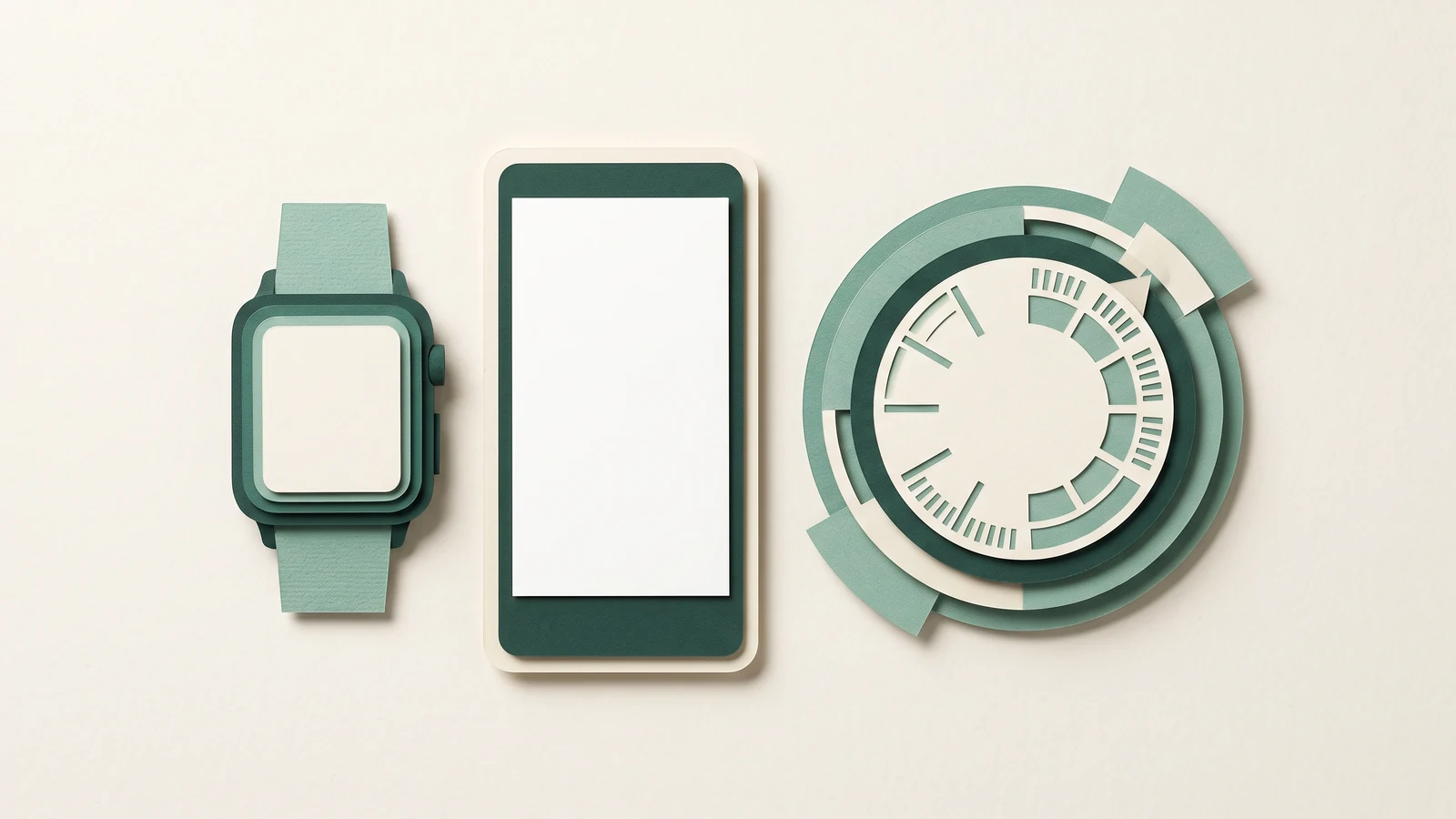
For Chinese brands going global, Apple Health and Google Health are not optional integrations; they are table stakes. Overseas users are extremely sensitive about data ownership. If they open an app and discover that data “goes in but never comes out,” they will immediately think, “This isn't my data—you are collecting my data.” The same logic applies to smart-home integration: brands should not force users to switch systems. They should proactively support the systems users already rely on. You are fitting into the user's life, not asking the user to adapt to you.
Whether measured by the market's sustained growth or the continuous arrival of new smart-sleep products, the opportunity in AI sleep hardware has already become visible.
From “tracking” to “intervention,” from “universal scores” to “personalized solutions,” and from “device islands” to “connected scenarios,” the path of product evolution is clear.
But one thing will not change: listen first, then build right.
Understand what users need, where the market is going, and what value the product creates.
Trooly ensures that at every step a brand takes toward global expansion, real voices are in the room.