Trooly interviewed 75 global interactive-film players to understand why Road to Empress traveled—and what China's next breakout title must solve.
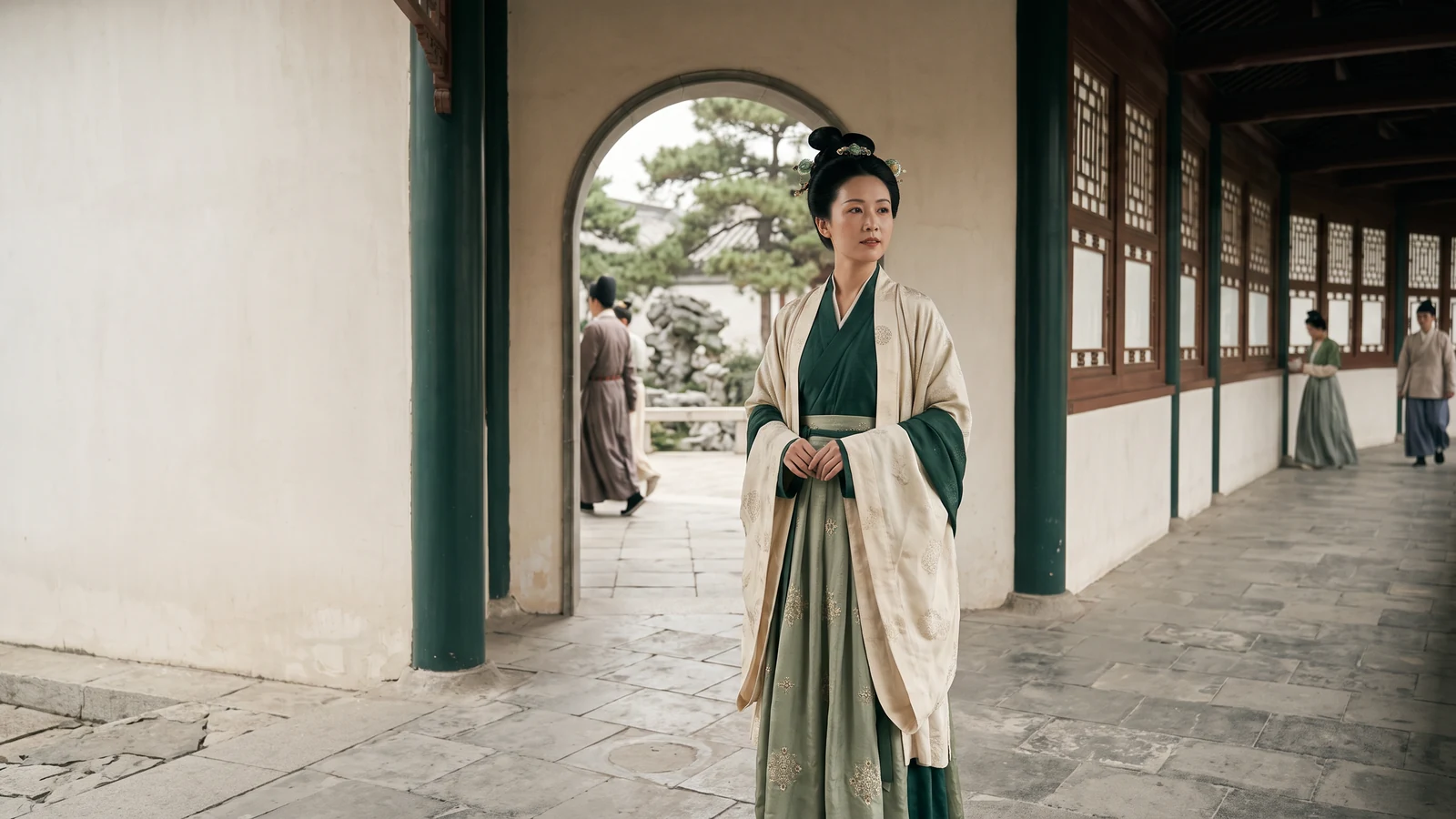
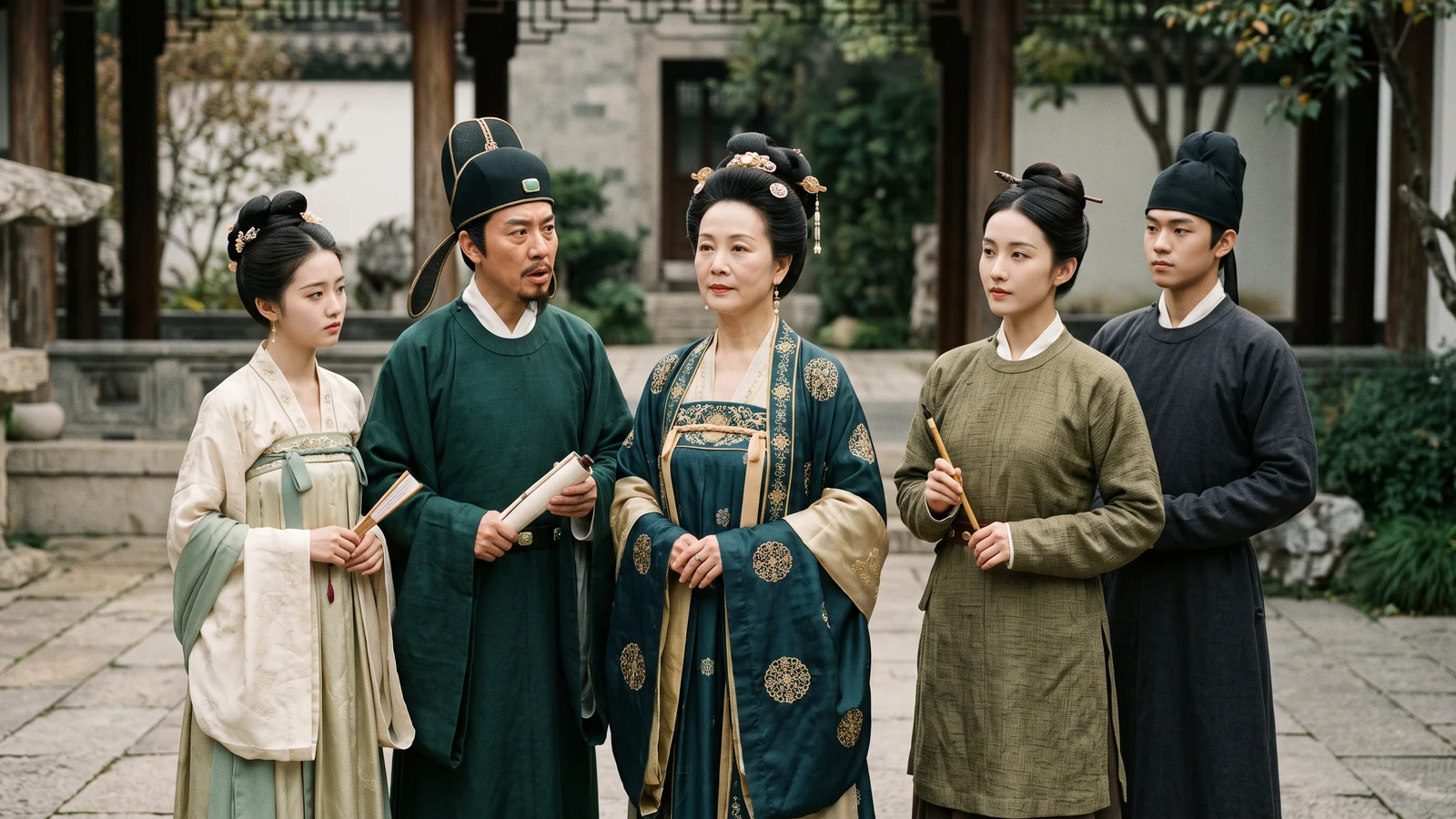
Wu Zetian is going global—this time, in a different way.
Should you win over the Noble Consort or the Empress? Which gauze dress should you wear? Which piece should you play? Every choice could get you sentenced to death in the next second. How to survive when every step could be fatal has become a puzzle that overseas players study on their screens again and again.
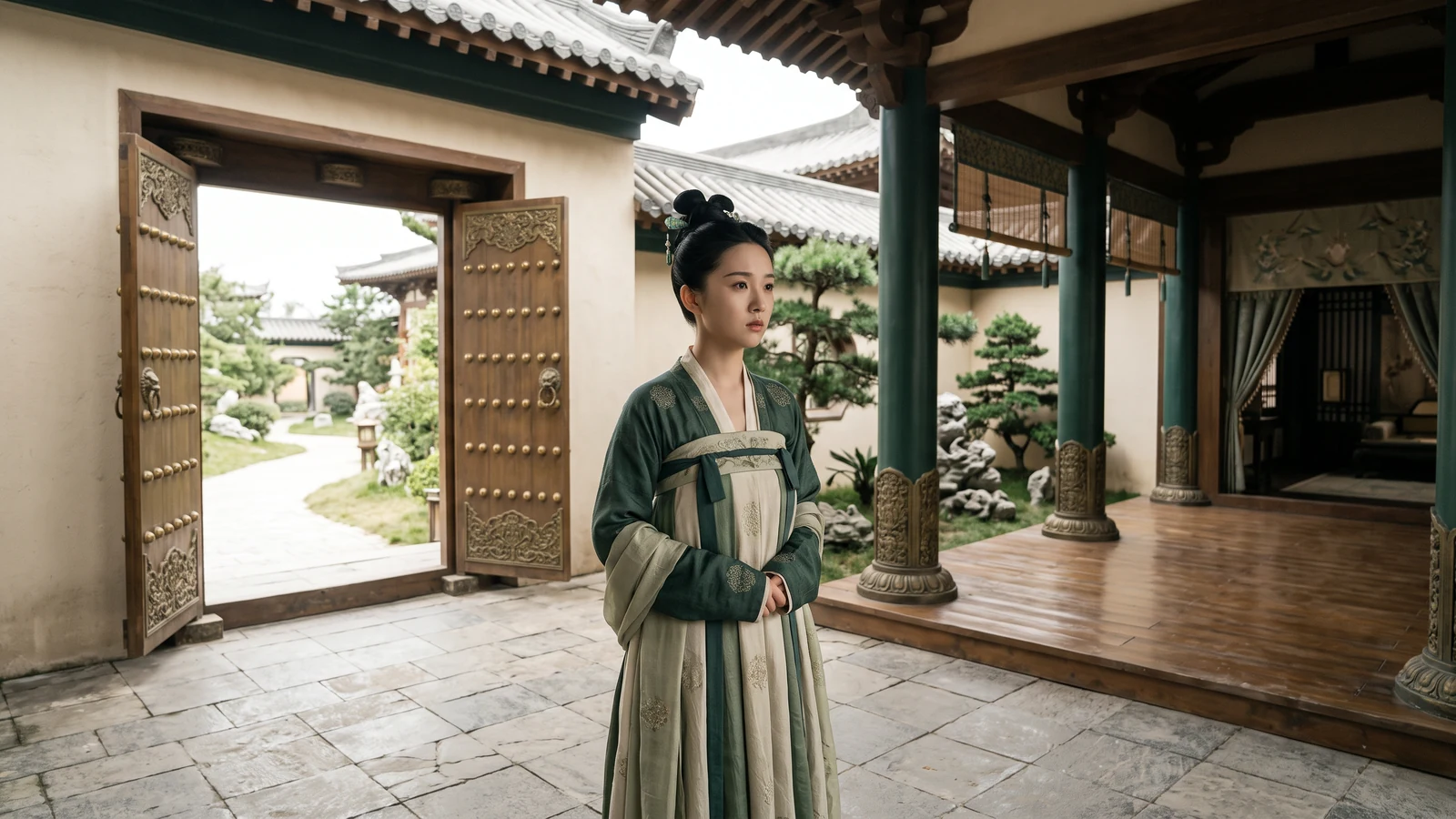
The complete Road to Empress series has sold more than 5 million copies, setting a global sales record for live-action interactive film productions. After the Empress Chapter launched, it rapidly topped the App Store's paid chart in six regions, including mainland China, Hong Kong, Macau, Taiwan, South Korea, and Singapore, while remaining near the top in more than ten markets, including Australia, the Philippines, Malaysia, and Thailand. On Steam, it simultaneously took first place on China's bestseller chart and ranked among the top three global bestsellers, reaching a peak of 28,665 concurrent players.

Why has a Chinese interactive film game set in the Tang-dynasty palace, with Wu Zetian as its protagonist, driven players around the world into such a frenzy? Trooly interviewed 75 interactive film-game players worldwide to find the answer.
Does palace intrigue come with a probation period too?
Interactive storytelling lets culture be “experienced”
Users need only “push open the palace gates” and “claim an identity” to enter this game of survival at court. Executive producer Shan Mi has said that the interactive film uses a first-person narrative, greatly lowering the cultural barrier for overseas audiences.
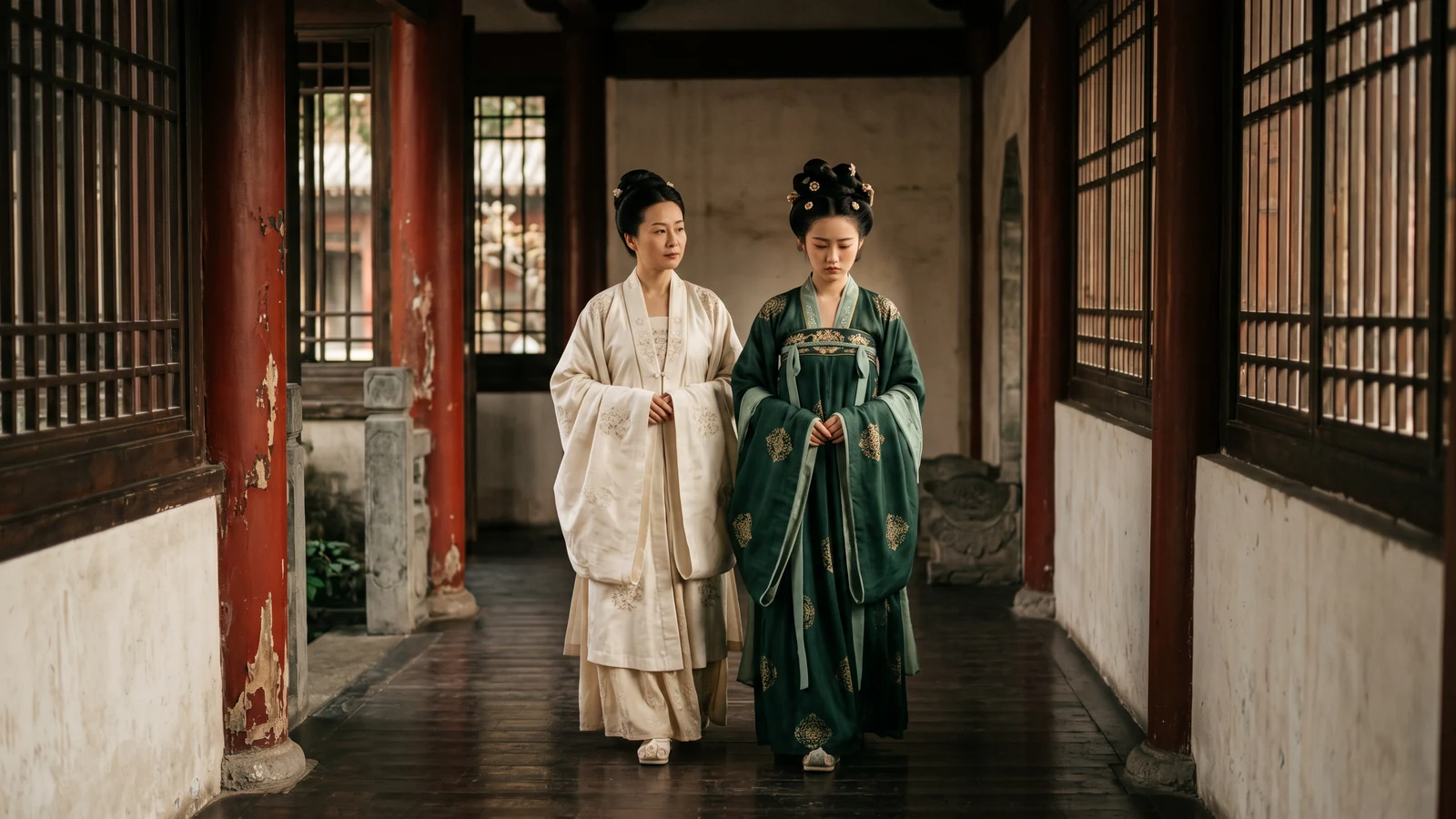
One North American respondent said, “I knew absolutely nothing about Tang-dynasty history. I didn't even know whether a ‘Noble Consort’ or a ‘Zhaoyi’ ranked higher. But every choice has consequences in the game. After trying a few times, I learned how to survive, and I became emotionally invested in the characters as the story unfolded.” When users shift from “I understand her” to “I am her,” they grieve when the heroine is sentenced to death, cry over the friendship storylines, and restart repeatedly over one difficult decision. At that point, “palace intrigue” has become “human destiny.” Through layer upon layer of choices and feedback, users enter the historical context of the Tang dynasty almost without realizing it.

This effect of “understanding through experience” relies on an entirely different storytelling strategy. The game does not explain Tang official titles or the ranks of imperial consorts. Instead, it translates “palace intrigue” into the globally familiar language of “workplace survival.” Overseas players may not understand the hierarchy of an imperial harem, but everyone understands the anxiety of a probation period.
At the language level, Road to Empress similarly follows a strategy of “letting the culture speak for itself.” The game includes nine language versions, covering outbound markets in Europe, North America, Japan, South Korea, and Southeast Asia, solving the basic problem of comprehension. Yet at key moments, it deliberately preserves a sense of cultural difference. The bracelets on the player's “Achievements” page retain the original Chinese characters “福,” “运,” “财,” “寿,” and “禄.” Translation may help players “understand” the words, but it would erase the visual beauty and cultural weight of the characters themselves. After experiencing the game, players can naturally grasp the cultural meaning those words carry.

Another British respondent was even more direct: “After finishing the game, I started searching for Tang-dynasty clothing and court etiquette—not because anyone told me to learn about them, but because I wanted to know more.” That is the logic of Road to Empress: immerse people in the story before introducing the culture; build an emotional connection before inspiring the desire to understand.
Palace intrigue beyond the screen too?
Emotional resonance and global player creativity
Choices work like a kaleidoscope. In the same situation, different interpretations lead different players toward different choices, and the results of those choices generate an even stronger desire to discuss what happened. And so livestreams, sharing, discussion, fan works, and reaction videos arise naturally.
On overseas platforms such as Twitch and YouTube, livestreams related to Road to Empress generated 7,000 hours of watch time on release day, with peak concurrent viewership reaching 2,384. Twitch streamer Jesse Cox adopted the perspective of Littlefinger from Game of Thrones, treating every decision as a zero-sum game.
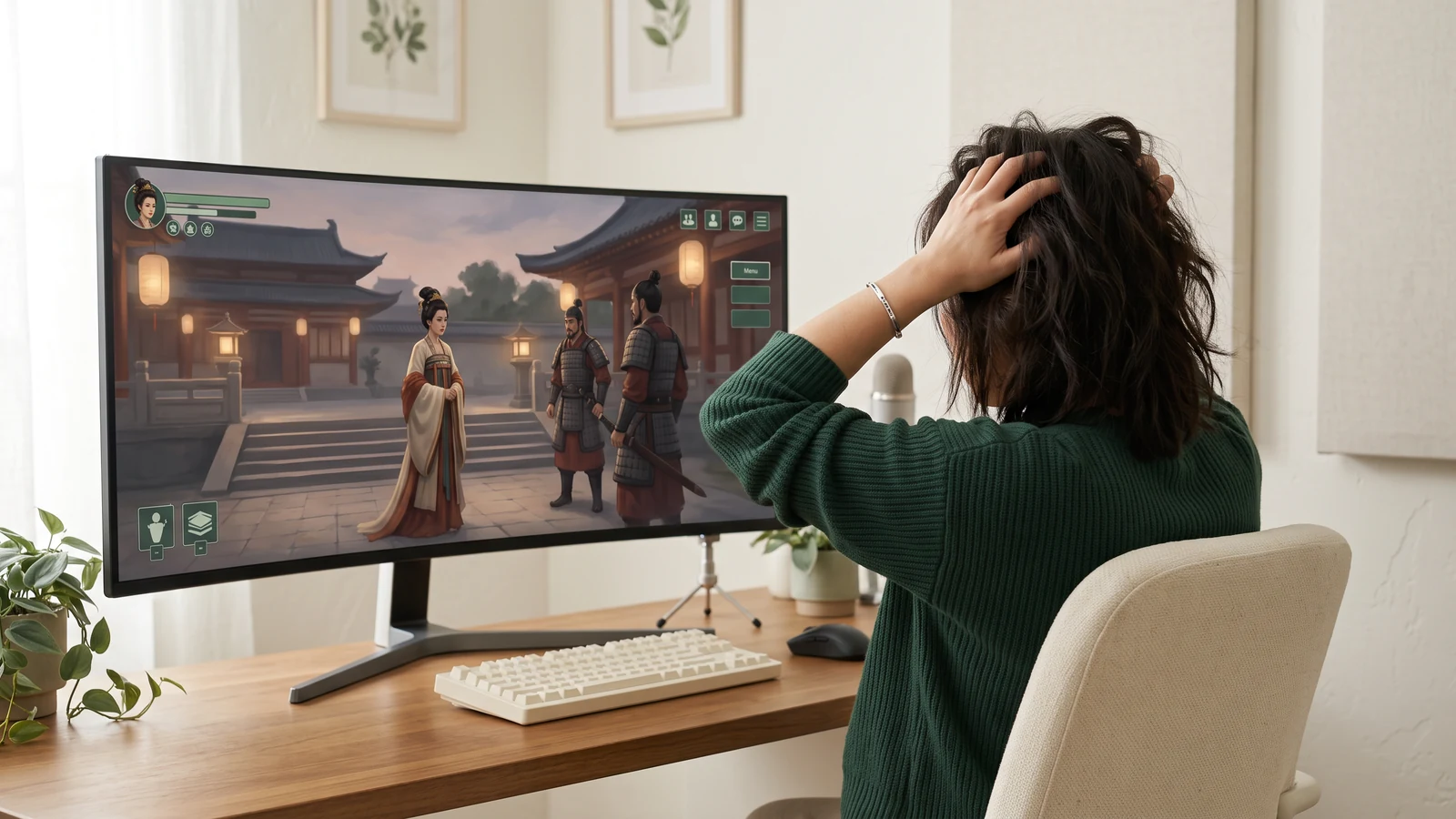
Game streamers from the United States, Japan, South Korea, and Thailand agonized over how the story might unfold, then broke down and shouted into the camera when a character was “sentenced to death.” Most iconic of all was YouTuber RoofTopCAT: when he first encountered Li Tai during a livestream, he shot to his feet and let out a piercing scream at the character's looks, earning the nickname “the stand-up guy” among viewers.

Streamers lit the first spark. What kept the discussion burning was ordinary users' desire to create and debate.

On Reddit, users wrote lengthy posts untangling the relationships among the characters. Player communities produced an endless stream of fan art, fiction, handicrafts, makeup recreations, and other derivative works. In Trooly's research, many respondents said they actively searched for ship fiction, comics, and fan art featuring Gao Yang and Wu Yuanzhao. As they put it, they wanted “to hold onto the emotions from the game a little longer.”
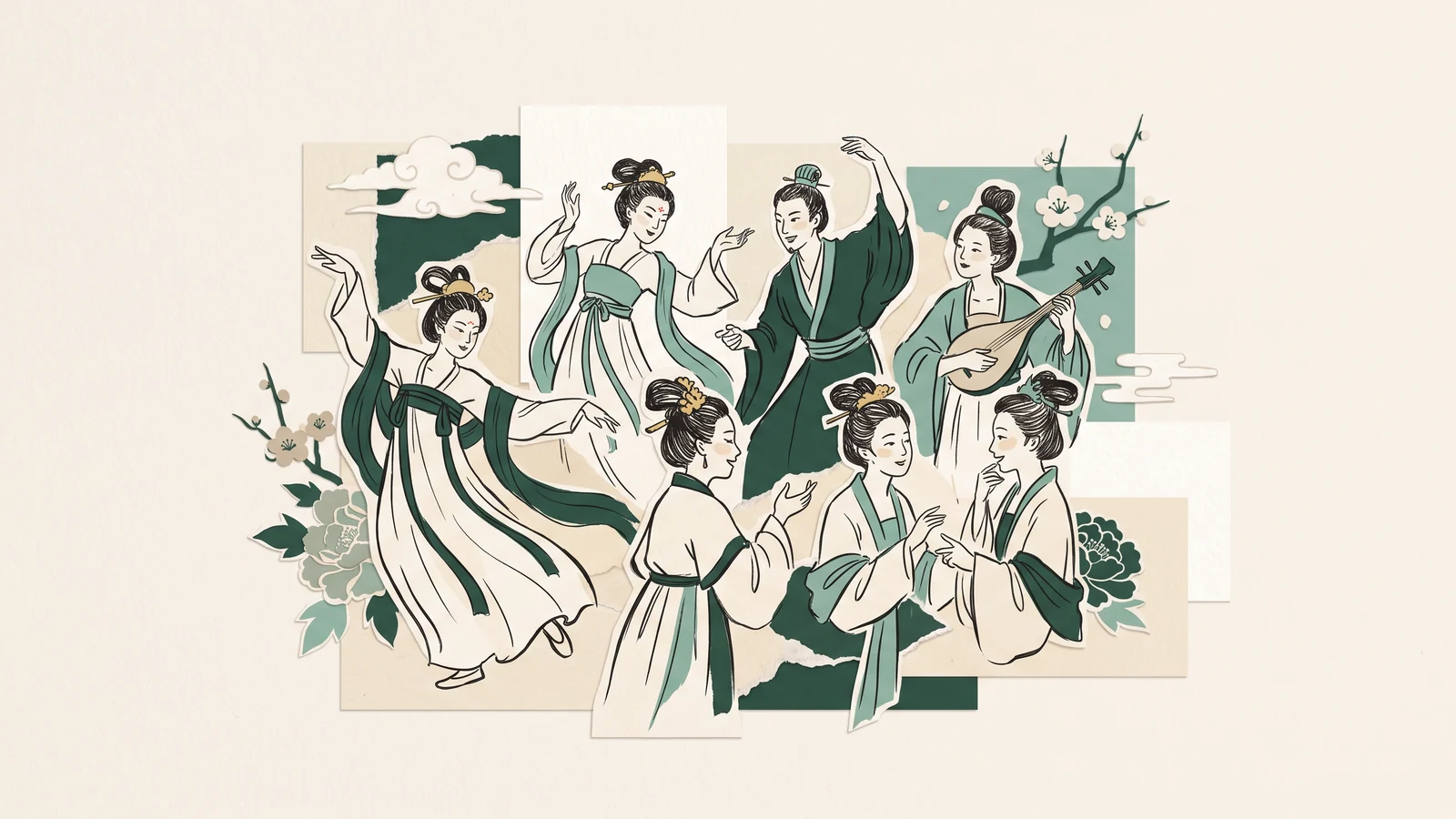
When the “longan meme” and “osmanthus soup” appear side by side in players' chat boxes around the world, Road to Empress is no longer a Chinese game that needs to be “translated.” It has become a shared emotional reference point for global players.
The success of the Meiniang Chapter was, at its core, an exercise in “listening with precision.”
Before its release, live-action interactive film games on Steam were almost entirely dominated by male-oriented romance and dating narratives. The Meiniang Chapter broke out of that mold, centering on palace power struggles and the growth of a formidable female protagonist, reaching a long-overlooked group of players. They did not merely want “many people to like them”; they wanted choice and control. Yet its audience was never limited to women. A story about growth—about moving from being constrained by rules to making them—naturally carries an appeal that cuts across gender.

In a Trooly in-depth interview, one male player said, “At first, I thought this was a game for women. But once I got into it, I forgot about gender completely. Choosing which path to take and whom to trust wasn't really about playing a woman. It was about experiencing the weight of a person making choices.”
Success, however, does not mean perfection. Player feedback poured in soon after the Meiniang Chapter launched. The narrative of the heroine's “growth into an empress” never truly unfolded in the *Meiniang Chapter*. The game claimed to have hundreds of branches, but in practice only two or three paths went all the way to the end.

This was not an isolated example. The team brought more voices together and found players repeating the same concerns: the story felt unfinished; the branches were too shallow; deaths felt perfunctory; the wait was too long. The first round of listening reveals the “quantity” of feedback. Listening a second time reveals its “quality.” Players did not simply want more content; they wanted a complete world they could genuinely control. So the Empress Chapter became more than a continuation. It expanded to twice the size of its predecessor, with nearly 1,000 minutes of story, a 300,000-character script, and more than 100 branches, while the narrative moved beyond the imperial harem into the power struggles of the royal court. It took the Meiniang Chapter 12 days to reach one million sales. The Empress Chapter did it in five.

The breakout proved that the team had listened well. But as the game becomes a global phenomenon, the team will need to hear even more voices next time. North American players' understanding of “choice,” Middle Eastern players' expectations around “power,” and Southeast Asian players' emotional projections may not follow the same logic. The team no longer needs to hear a single voice, but the “reverberations” of many different cultural backgrounds. Continuing to understand what people say will be the real test.
The hit has arrived, but the business model has not yet been proven
The revenue model for interactive film games still follows a “release day is the peak” pattern: the moment a game launches, its revenue ceiling is effectively fixed. Distribution channels are equally narrow, with the vast majority of products still confined to Steam alone. Production costs, meanwhile, are high—often requiring millions of yuan and four to six months of work—turning every title into a one-shot bet. Mid-sized and smaller studios are being squeezed out of this structure entirely.
Industry estimates suggest that from 2024 to 2025, 90% of interactive film projects lost money. On one side is the mythic success of Road to Empress, with 5 million copies sold. On the other, nine out of ten projects lost their investment. Between those numbers lies the most honest picture of the category. China's domestic live-action interactive film market is expected to reach RMB 1.8–2 billion in 2026, while the category's overall level of development remains below 10%. The blue ocean is vast, but it has yet to take shape.

*Source: DataEye Research Institute
For a category to expand overseas, it needs a sustained supply from mid-sized and smaller teams. Only when the leaders can feast, the middle can share the rewards, and the smallest players can survive will a healthy content ecosystem emerge.
Can the translation formula for palace intrigue work with other genres?
The success of Road to Empress depends on a precise form of “cultural translation”: translating “palace intrigue” into “workplace survival” and replacing “the hierarchy of the imperial harem” with “probation-period anxiety.” Palace stories come with a built-in narrative framework of “power struggle.” No matter how great the cultural differences between East and West, the contest for power is a universal narrative archetype.
But can this translation method be reused? How do you translate wuxia? What about xianxia? Or a serious historical drama?
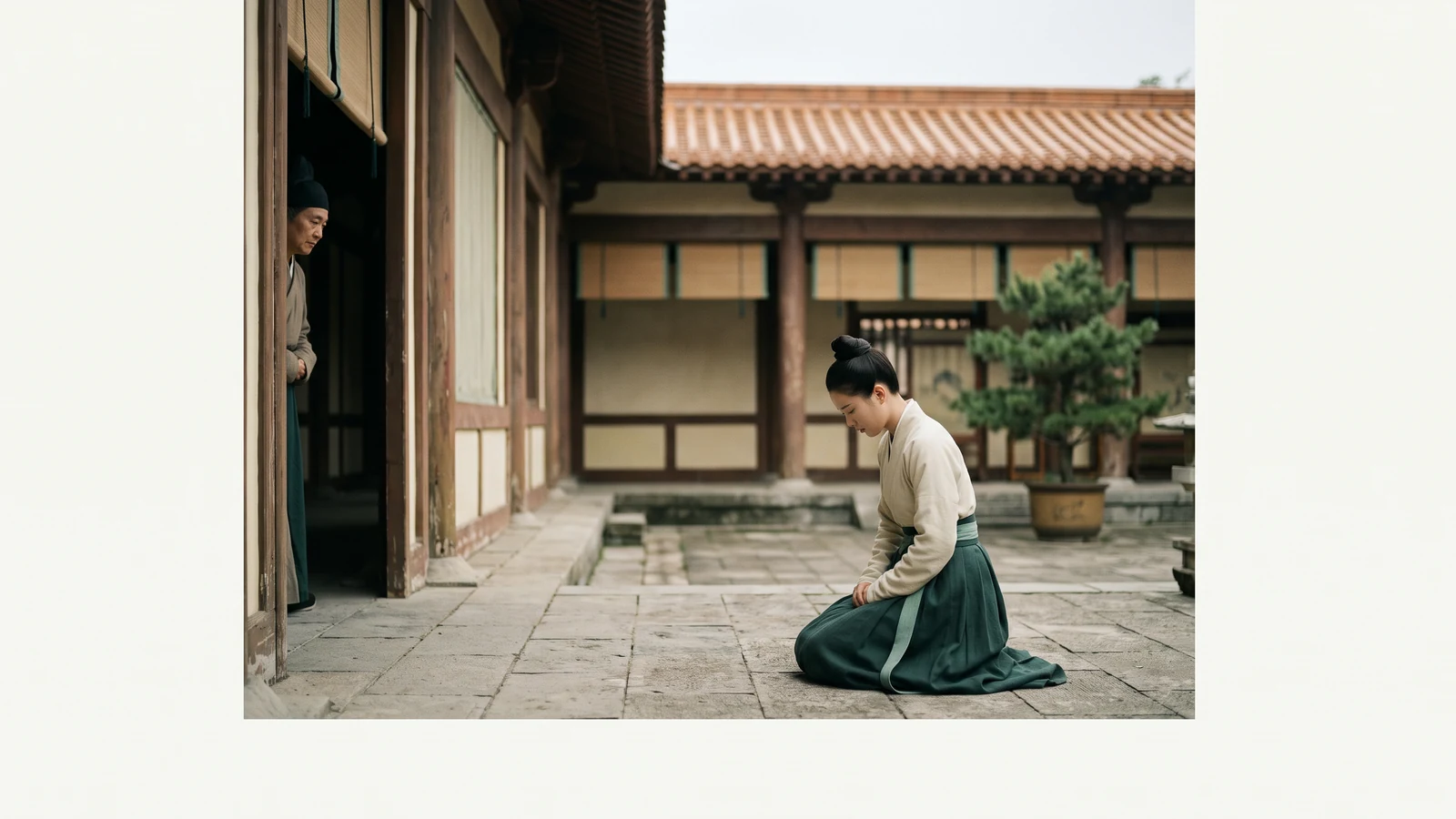
Helping overseas players understand the difference between *wuxia* and *xianxia* remains one of the central challenges facing Chinese games going global. The English title of the classic IP The Legend of Sword and Fairy has changed repeatedly, from The Legend of Sword and Fairy to Chinese Paladin, yet no expression has ever conveyed its essence with complete precision.
In Trooly's research, more than 60% of interactive film-game respondents said they were unsure whether they would continue buying similar titles with Chinese themes. What initially attracted them was the participation and sense of control created by interactive choices. Users may come for “power struggles,” but they may not stay for “Chinese stories.” Road to Empress has validated the effectiveness of one genre and one narrative framework within a specific cultural context, but whether that success can be replicated will require time and new releases to prove.
A world within the drama, a life beyond it. Every voice truly understood becomes a cross-cultural encounter.
Road to Empress has proven that this path can work. The real hope lies in this: when we are willing to sit down and listen carefully, Chinese stories have limitless possibilities in the global market.
Users speak with hundreds of different voices, and the global market offers thousands of different answers.
The story begins only after you hear them. Only when you understand them will it be remembered.
Trooly: helping brands begin their global journey by hearing real voices.